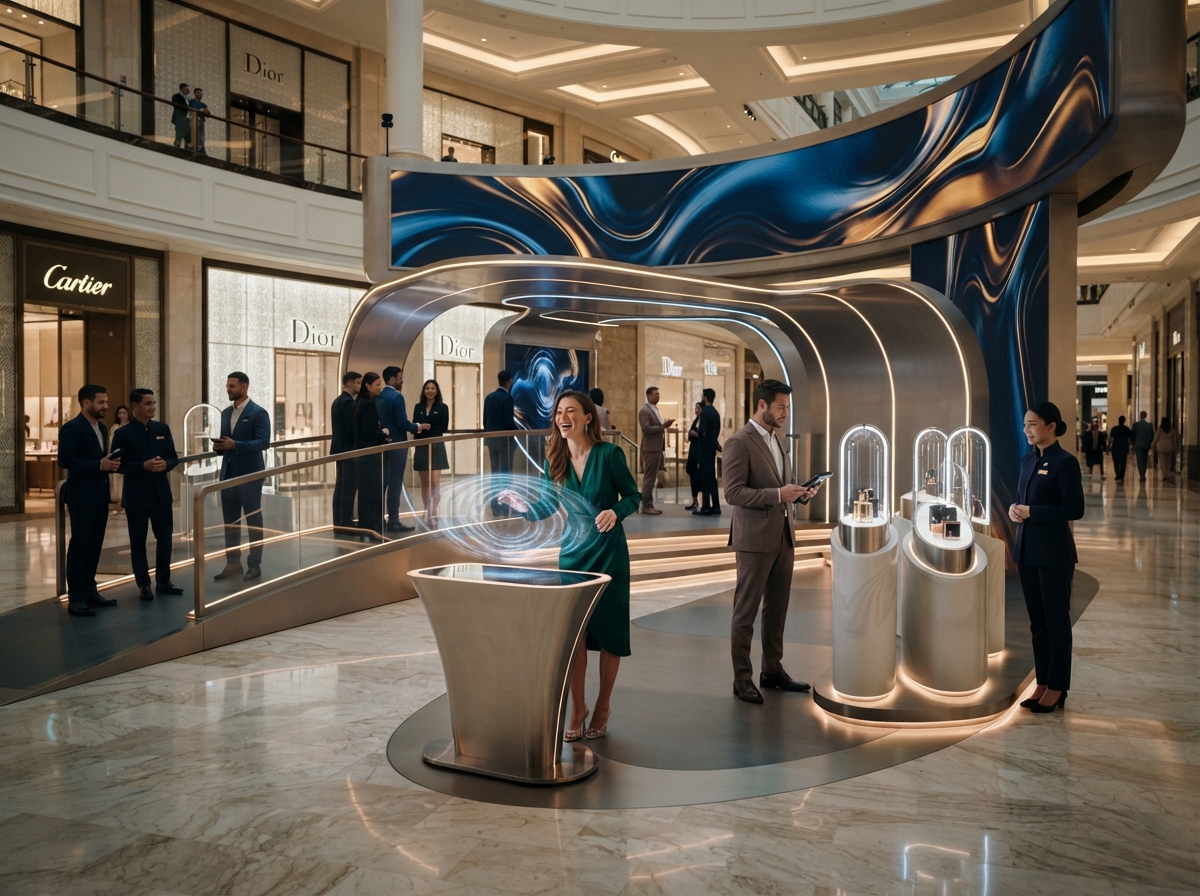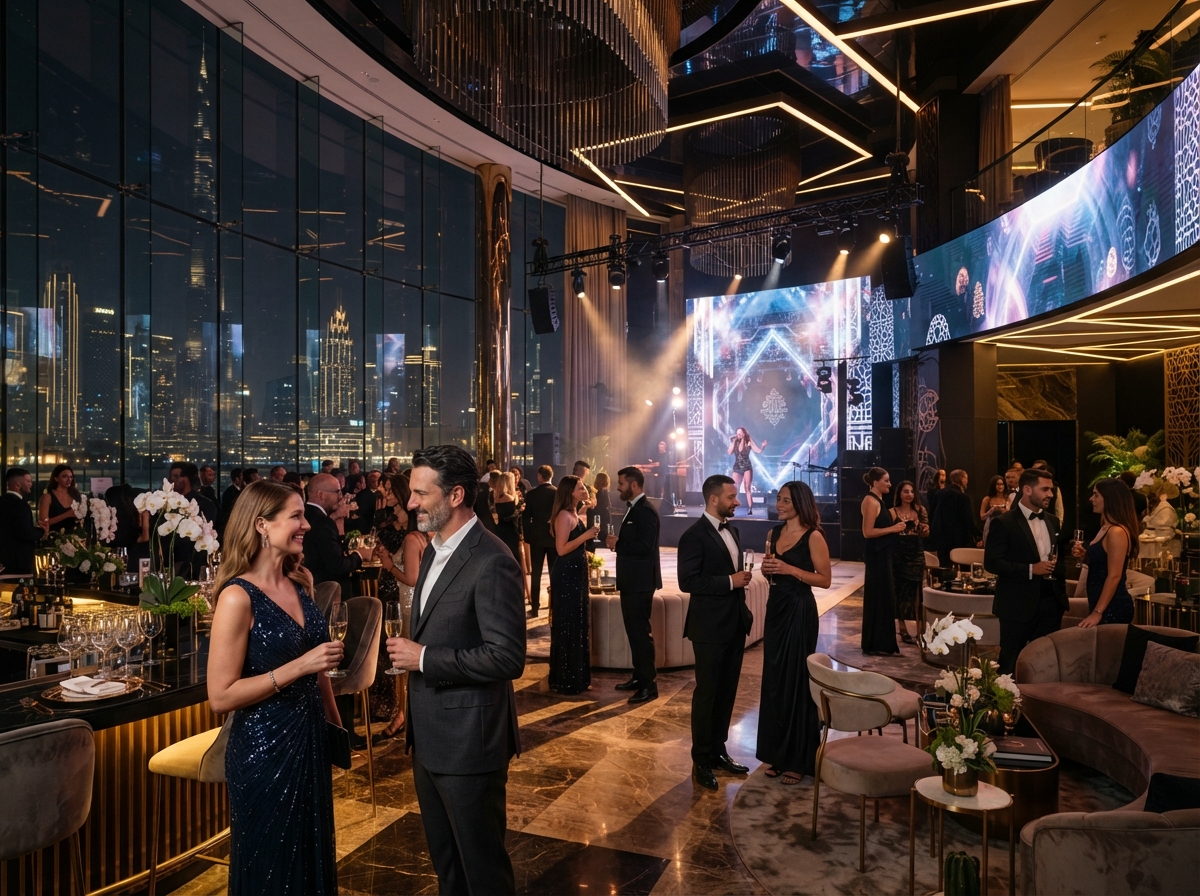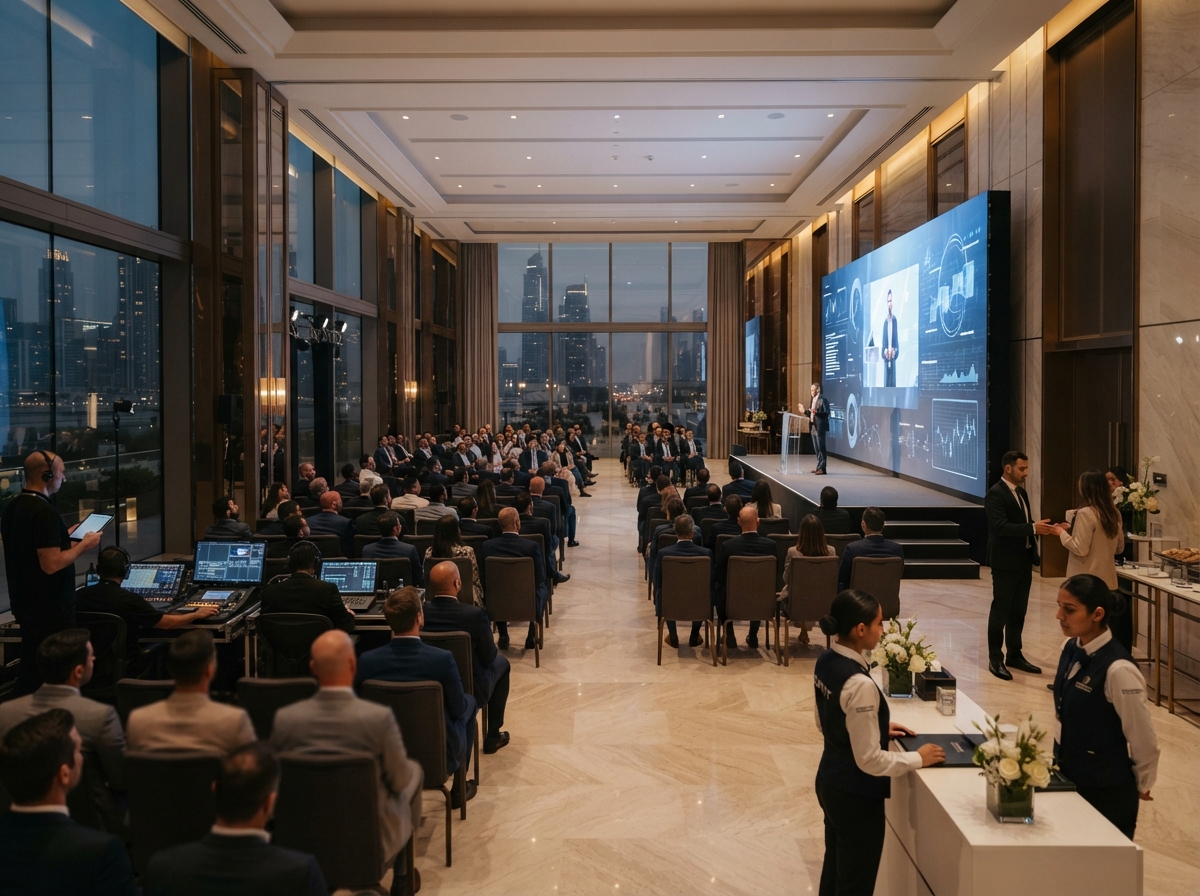
Set against the iconic backdrop of Atlantis, Dash Events brought the launch of MHERO to life through an elevated automotive experience designed around exclusivity, performance and impact. From immersive brand moments and premium hospitality to a dramatic vehicle reveal, every detail was curated to introduce MHERO with the presence it deserved. A bold machine. An elite audience. One unforgettable reveal.
The Rise of Experiential Brand Activations
Brands today operate in an increasingly competitive environment where traditional advertising alone is often not enough to capture attention. Consumers are exposed to thousands of messages every day, making it increasingly difficult for brands to create meaningful connections through conventional marketing channels.
This is where experiential brand activations are becoming increasingly important.
Experiential marketing allows brands to move beyond simply telling audiences about a product or service. Instead, it gives people an opportunity to experience the brand directly.
From immersive product launches and interactive pop-ups to corporate experiences, live demonstrations, branded installations, and exclusive events, experiential activations are creating new ways for businesses to connect with their audiences.
What Is an Experiential Brand Activation?
An experiential brand activation is a marketing experience designed to create direct interaction between a brand and its audience.
Rather than relying solely on advertisements, an activation encourages people to participate, interact, discover, share, and remember.
The experience may involve physical environments, technology, entertainment, demonstrations, competitions, product sampling, storytelling, or personalized interactions.
Why Experiences Are More Memorable
People naturally remember experiences more strongly than ordinary advertising messages.
A well-designed brand activation can engage multiple senses and create an emotional connection with the audience. When guests actively participate in an experience, the brand becomes associated with the emotions generated during that moment.
This can help improve brand recall and create stronger relationships between customers and businesses.
Technology Is Transforming Brand Activations
Technology has significantly expanded what brands can achieve through experiential events.
Interactive screens, augmented reality, artificial intelligence, projection mapping, digital installations, immersive environments, and social media integrations can turn a simple activation into a highly engaging experience.
- Interactive digital installations
- Augmented reality experiences
- AI-powered personalization
- Projection mapping
- Interactive LED displays
- Digital product demonstrations
- Social media integration
- Real-time audience engagement
The key is to use technology with purpose. Technology should make the experience more useful, exciting, personalized, or memorable rather than simply being added for visual effect.
Personalization in Brand Experiences
Modern consumers increasingly expect brands to understand their preferences.
Personalized brand activations can make guests feel that the experience was designed specifically for them.
This could include customized content, personalized product recommendations, interactive profiles, customized gifts, or individually designed experiences.
Social Media and Shareable Experiences
One of the major advantages of experiential marketing is its ability to generate organic social media engagement.
When an activation creates an unusual, visually attractive, or emotionally engaging moment, guests naturally want to photograph and share it.
Brands can encourage this behavior by designing dedicated photo opportunities, interactive installations, branded environments, and social-media-friendly experiences.
Measuring the Success of an Activation
Experiential marketing should not be measured only by attendance.
Brands can evaluate an activation using metrics such as engagement, participation, social media reach, leads generated, product trials, customer feedback, conversions, and brand sentiment.
Combining physical engagement data with digital analytics can provide valuable insight into how audiences interacted with the brand.
The Future of Experiential Marketing
Experiential marketing will continue to evolve as brands search for more meaningful ways to connect with audiences.
The future will likely involve more personalized experiences, smarter technology, immersive storytelling, smaller VIP activations, hybrid digital-physical experiences, and stronger integration between events and wider marketing campaigns.
Conclusion
Experiential brand activations have become an important part of modern marketing because they allow brands to create genuine interactions rather than simply deliver messages.
The most successful activations combine creativity, strategy, technology, storytelling, and strong execution to create experiences that people want to remember and share.
For brands looking to stand out in a crowded marketplace, creating an experience can be far more powerful than simply creating another advertisement.