A high-energy brand experience designed to bring DEWALT’s latest innovations, tools and technology closer to the people who use them. From immersive product showcases and live demonstrations to interactive experiences and a bold industrial environment, every element was built around one idea — don’t just showcase innovation, let people experience it. Built tough. Made interactive. Powered by innovation.
5 Trends Shaping Luxury Events in 2026
Luxury events are evolving rapidly in 2026. Today’s premium events are no longer defined simply by grand venues, expensive décor, or celebrity appearances. Guests increasingly expect something more meaningful: highly personalized experiences, immersive environments, seamless technology, exceptional hospitality, and memorable moments that feel unique to them.
From luxury corporate gatherings and private celebrations to high-end brand launches, gala dinners, fashion events, destination experiences, and exclusive social occasions, event planners are focusing on creating experiences that connect emotionally with guests while maintaining a strong sense of sophistication and exclusivity.
As expectations continue to rise, event organizers and brands must look beyond traditional event planning. The most successful luxury events in 2026 combine creativity, technology, storytelling, personalization, sustainability, and flawless execution to create experiences that guests remember long after the event has ended.
Here are five major trends shaping the luxury event industry in 2026.
1. Personalization Is Becoming the New Definition of Luxury
One of the biggest changes in luxury events is the growing importance of personalization. In the past, luxury was often associated with scale, premium materials, expensive entertainment, and impressive venues. Today, true luxury is increasingly about making every guest feel recognized and valued.
Event planners are designing experiences around the preferences, interests, expectations, and profiles of their guests. Instead of providing the same experience to everyone, luxury events are introducing personalized elements throughout the guest journey.
This can include personalized invitations, customized welcome experiences, preferred seating arrangements, personalized menus, exclusive gifts, customized entertainment, and individually curated activities.
For corporate events, personalization can also extend to branded experiences designed specifically for clients, partners, VIPs, and senior executives. A guest may receive a personalized welcome message, access to a private networking area, or a curated experience based on their interests.
The objective is simple: make the guest feel that the event was created specifically for them.
- Personalized digital invitations and RSVP experiences
- Customized guest welcome experiences
- Individual food and beverage preferences
- VIP-only experiences and private areas
- Personalized gifts and event merchandise
- Customized entertainment and activities
In 2026, personalization is no longer considered an additional feature of a luxury event. It is becoming one of the fundamental elements that define premium experiences.
2. Immersive Experiences Are Replacing Traditional Event Formats
Guests no longer want to simply sit and watch an event. They want to participate in it.
This is why immersive experiences are becoming one of the strongest trends in luxury event production. Event designers are transforming traditional spaces into interactive environments where guests can explore, engage, discover, and become part of the story.
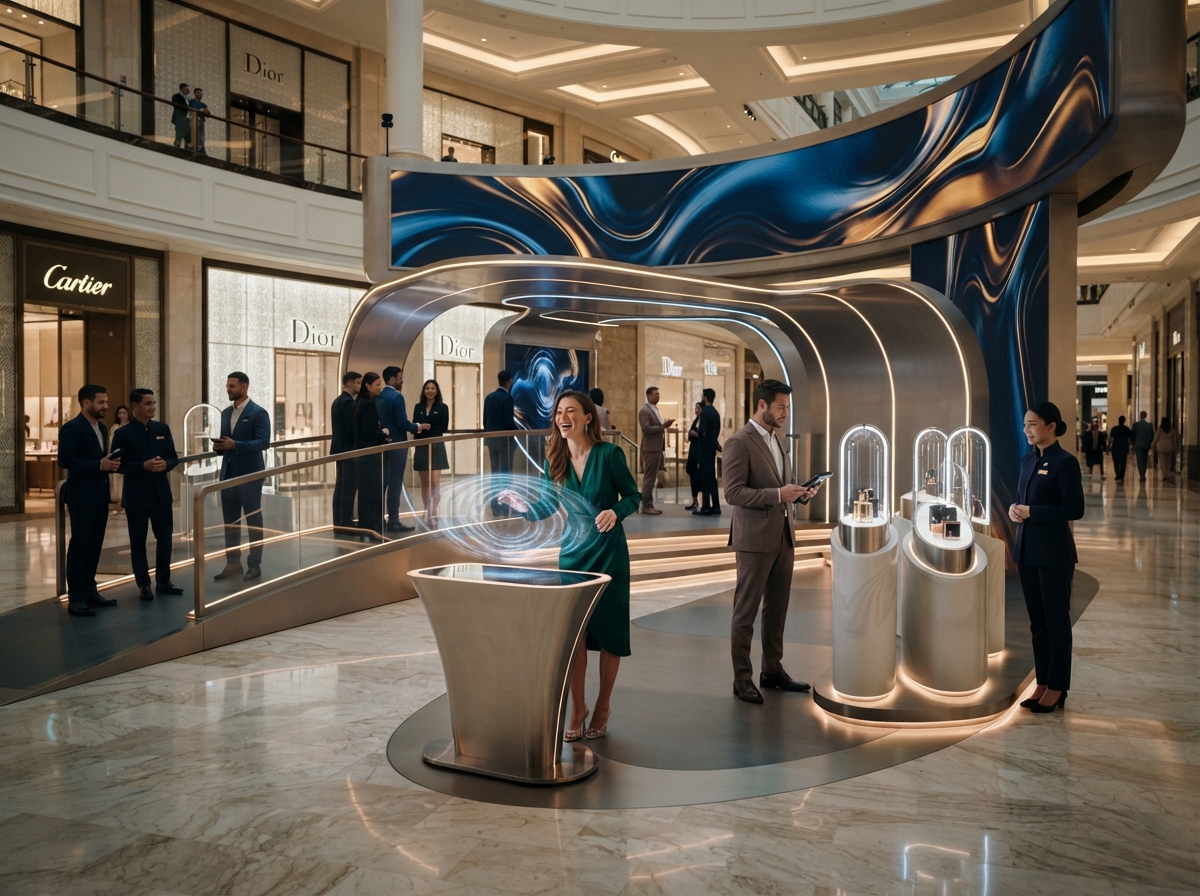
Immersive event design can involve projection mapping, interactive installations, theatrical lighting, digital environments, sensory experiences, augmented reality, dramatic stage designs, themed spaces, and interactive entertainment.
For example, a luxury product launch can transform an entire venue into an environment inspired by the brand's identity. Instead of simply displaying a product on a stage, guests can experience the product through interactive installations, lighting effects, digital storytelling, and carefully designed sensory elements.
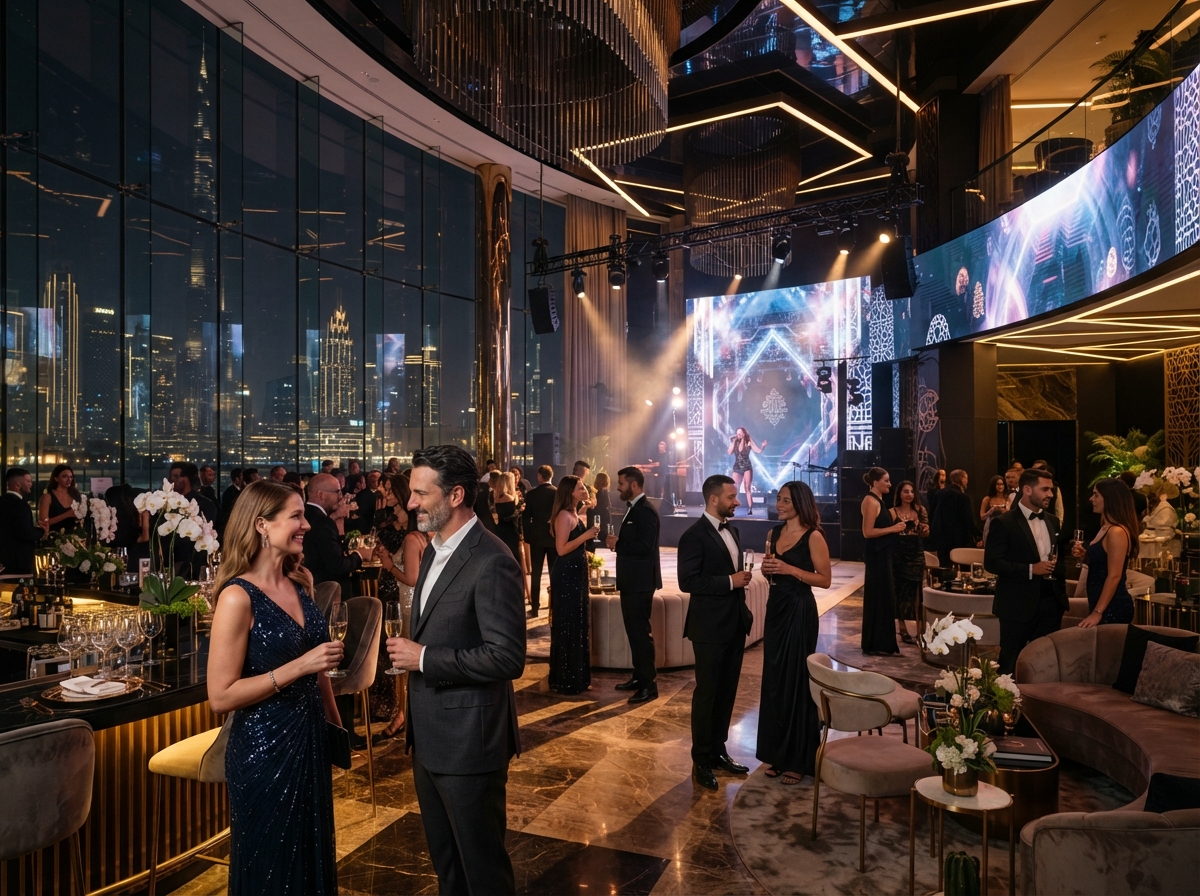
Similarly, a corporate gala can use immersive storytelling to take guests through different chapters of a company's journey, creating an emotional connection between the brand and its audience.
The most successful immersive events carefully combine physical and digital elements without allowing technology to overpower the overall experience. Technology should enhance the story rather than become the story itself.
3. Technology and AI Are Transforming Event Experiences
Technology is playing a much larger role in luxury event planning and production. In 2026, artificial intelligence, automation, data-driven planning, interactive technology, and digital experiences are helping event professionals deliver smoother and more personalized experiences.
Artificial intelligence can assist planners with areas such as guest segmentation, communication, scheduling, content creation, recommendations, and event analytics. Data collected during registration and engagement can help organizers better understand guest preferences and improve the overall experience.
Technology is also changing how guests interact with events. Digital check-in systems, QR-based experiences, event applications, interactive displays, smart badges, digital menus, and personalized notifications can make the guest journey more convenient and efficient.
Luxury events are also increasingly using technologies such as:
- AI-powered personalization
- Interactive LED displays
- Projection mapping
- Augmented reality experiences
- Virtual and hybrid event technologies
- Digital event registration and check-in
- Real-time event analytics
- Interactive social media walls
- Smart event apps
However, premium event technology must remain seamless. Guests should not feel that they are interacting with complicated systems. The best technology is often the technology that works quietly in the background and makes the experience feel effortless.
4. Sustainability Is Becoming Part of Luxury Event Design
Sustainability has moved from being an optional consideration to an important part of modern luxury event planning.
High-end clients and brands are increasingly looking for ways to reduce waste, use responsible materials, minimize unnecessary consumption, and create environmentally conscious events without compromising on quality or visual appeal.
Luxury and sustainability are no longer opposites. With thoughtful event design, sustainable choices can actually make an event feel more sophisticated and innovative.
Event planners are exploring reusable décor, locally sourced materials, sustainable floral arrangements, digital invitations, reusable structures, responsible catering, energy-efficient lighting, and waste-reduction strategies.
Food and beverage planning is another important area. Locally sourced ingredients, seasonal menus, reduced food waste, and carefully planned portions can contribute to a more sustainable event experience.
Even event transportation is being reconsidered. Organized shuttle services, electric vehicles, and efficient transportation planning can help reduce the environmental impact of large events.
The future of luxury events will increasingly focus on creating a premium experience while being conscious of its environmental footprint.
5. Exclusive and Intimate Events Are Growing in Popularity
Another important trend in 2026 is the shift toward smaller, more exclusive gatherings.
While large-scale luxury events will always have their place, many brands, executives, celebrities, and high-net-worth individuals are increasingly choosing intimate experiences where quality and exclusivity are more important than guest numbers.
A smaller guest list allows event organizers to focus more closely on hospitality, entertainment, food, décor, networking, and personalization.
Private dining experiences, invitation-only brand events, executive retreats, luxury destination celebrations, private product previews, and VIP networking gatherings are examples of formats that benefit from this approach.
When an event is intentionally limited to a select group of guests, exclusivity itself becomes part of the experience.
Guests may receive specially designed invitations, private transportation, personalized hospitality, access to restricted areas, exclusive entertainment, or experiences that are unavailable to the general public.
This creates a strong sense of belonging and makes the event feel genuinely special.
The Importance of Exceptional Hospitality
Luxury event design is not only about what guests see. It is also about how they feel throughout the entire event.
Exceptional hospitality is therefore becoming one of the most important elements of premium event experiences. From the first invitation to the final departure, every interaction contributes to the guest's perception of the event.
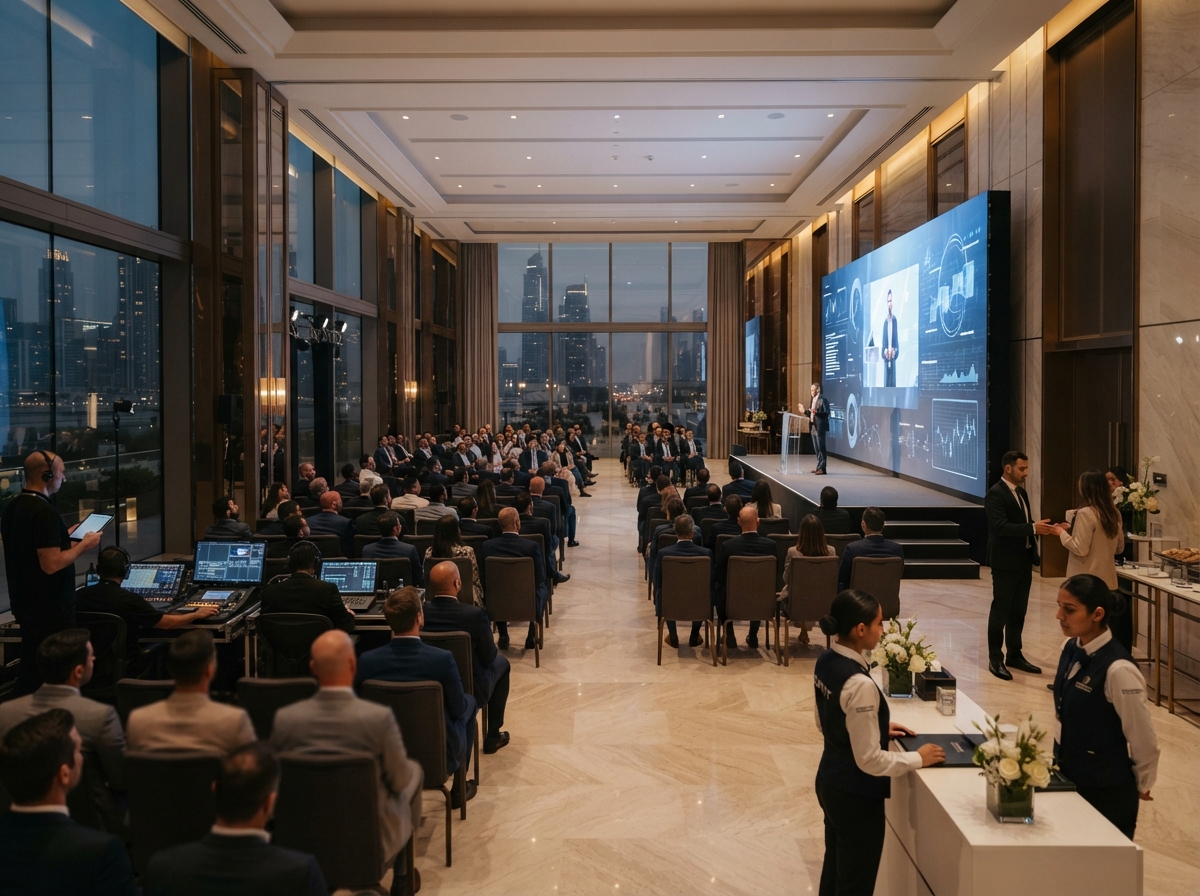
Professional hosts, trained event staff, smooth registration, concierge-style assistance, attentive service, comfortable seating, carefully planned menus, and efficient guest transportation can make a significant difference.
Luxury guests expect problems to be solved before they become noticeable. This means successful event teams must anticipate guest needs rather than simply respond to them.
The best luxury events often feel effortless to the guest, even though they require extensive planning behind the scenes.
Storytelling Is Becoming Central to Event Design
Another defining feature of modern luxury events is storytelling.
A beautiful venue may impress guests for a few minutes, but a powerful story can stay with them for years.
Event planners are increasingly developing experiences around a central narrative. Every element, including the entrance, décor, lighting, music, stage design, entertainment, food, and guest interaction, can contribute to that story.
For a luxury fashion launch, the story might focus on craftsmanship and heritage. For a corporate anniversary, it might celebrate the organization's journey and future vision. For a product launch, the entire event can be designed around the innovation behind the product.
When all event elements support one central idea, the result feels more cohesive, intentional, and memorable.
Luxury Décor Is Becoming More Experiential
Traditional luxury décor often focused heavily on flowers, chandeliers, furniture, table settings, and elaborate structures. While these elements remain important, modern event design is becoming more experiential.
Designers are creating environments rather than simply decorating rooms.
Architectural installations, custom-built structures, dramatic entrances, artistic lighting, sculptural décor, interactive installations, textured materials, and carefully designed spaces can completely transform a venue.
The goal is to create visual moments that naturally encourage guests to explore, photograph, and share their experiences.
At the same time, luxury design is becoming more refined. Instead of using excessive decoration, premium events often rely on carefully selected statement pieces, elegant materials, sophisticated lighting, and strong visual composition.
Why Luxury Events in 2026 Are More Experience-Focused
The luxury event industry is moving from a product-focused mindset toward an experience-focused mindset.
Guests can already access premium products, luxury hotels, fine dining, entertainment, and beautiful destinations in many different ways. What makes an event truly valuable is the opportunity to experience something that cannot easily be replicated.
This is why personalization, exclusivity, storytelling, technology, immersive design, and hospitality are becoming so important.
People remember how an event made them feel. They remember the atmosphere, the unexpected moments, the people they met, the service they received, and the experiences they shared.
How Event Planners Can Stay Ahead in 2026
To remain competitive in the luxury events industry, planners and event companies need to continuously adapt to changing expectations.
A successful luxury event strategy should begin with a clear understanding of the target audience. Before selecting a venue or designing décor, planners should understand who the guests are, what they expect, what type of experience will appeal to them, and what the event is ultimately trying to achieve.
From there, every decision should support the overall event concept.
- Understand the audience and define the guest experience.
- Create a strong event concept and visual identity.
- Build a memorable story around the event.
- Use technology where it genuinely improves the experience.
- Introduce meaningful personalization.
- Prioritize hospitality and guest comfort.
- Consider sustainable production methods.
- Design memorable moments that encourage engagement.
- Prepare detailed contingency plans for unexpected situations.
- Measure guest feedback and event performance after the event.
The Future of Luxury Events
The future of luxury events will be defined by experiences that feel personal, purposeful, exclusive, and unforgettable.
Large budgets alone cannot create a successful luxury event. Premium experiences require strategic planning, creative thinking, flawless execution, strong supplier coordination, advanced technology, and an understanding of what today's guests truly value.
As we move through 2026, the most successful event experiences will be those that combine sophisticated design with genuine human connection. Technology will make experiences smarter, personalization will make them more relevant, sustainability will make them more responsible, and storytelling will make them more memorable.
Ultimately, luxury is no longer simply about having more. It is about creating something better, more meaningful, more exclusive, and more memorable.
Conclusion
Luxury events in 2026 are entering a new era where experience matters more than extravagance alone. From AI-powered personalization and immersive technology to sustainable production and intimate VIP gatherings, the industry is becoming more creative and guest-focused than ever before.
For brands, businesses, and private clients, this creates an exciting opportunity to rethink what a premium event can be.
The events that stand out will not necessarily be the biggest or most expensive. They will be the ones that understand their audience, tell a compelling story, deliver exceptional hospitality, and create moments that guests genuinely remember.
As luxury event expectations continue to evolve, professional event planning and creative production will remain essential for transforming an idea into a seamless and unforgettable experience.