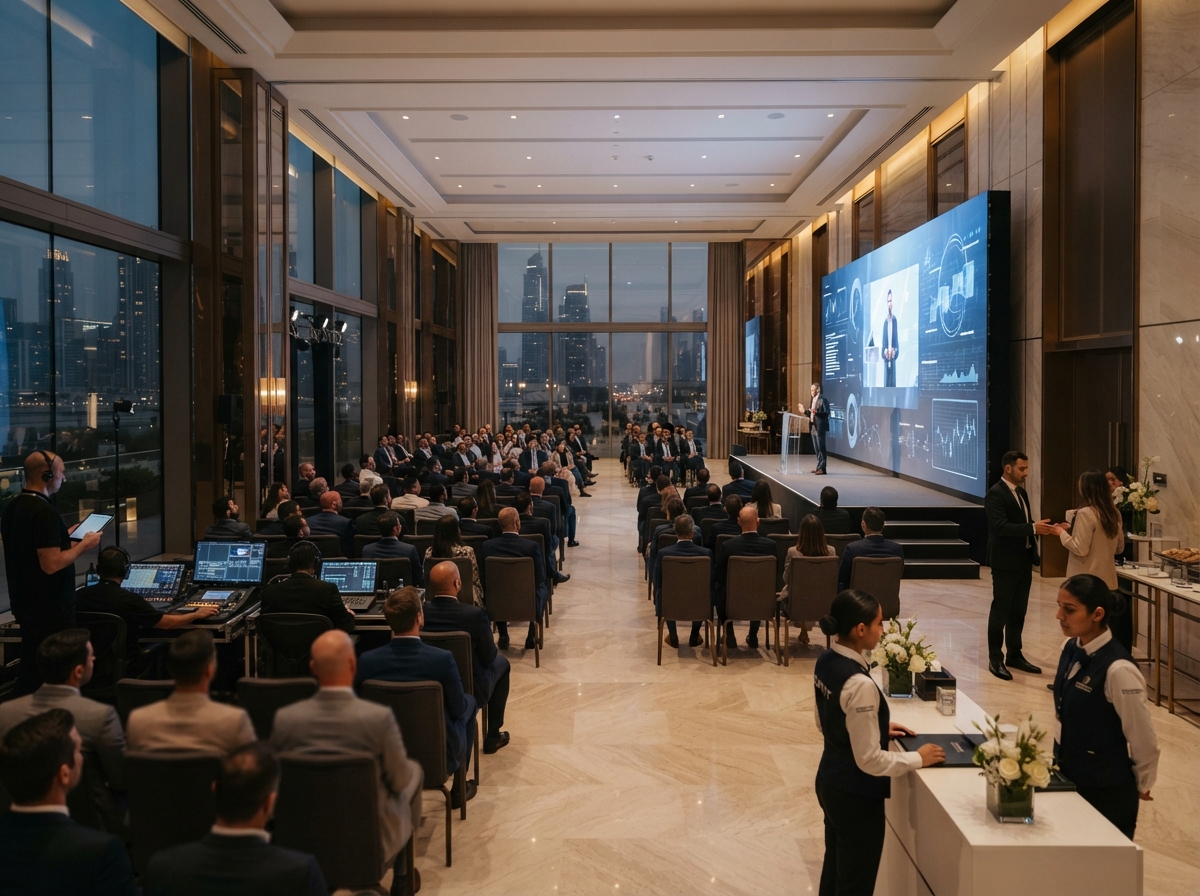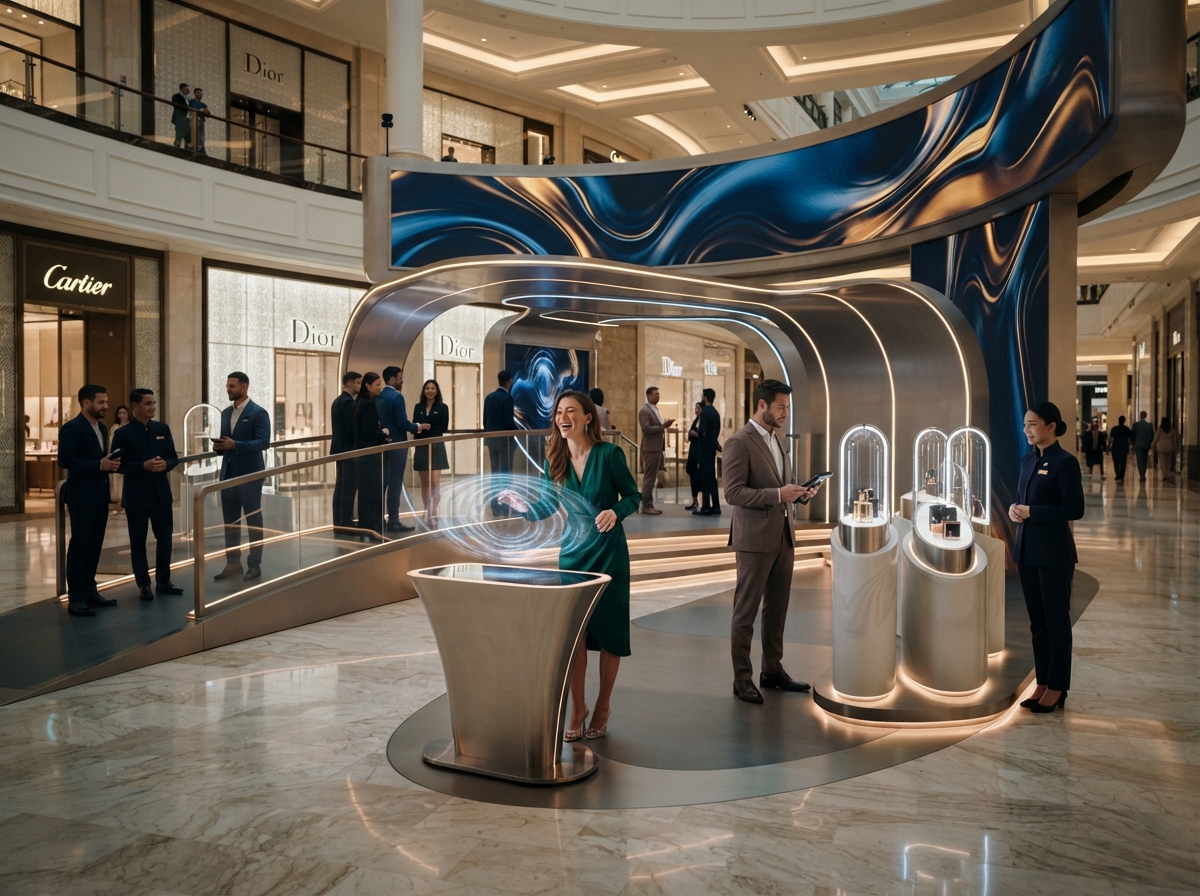
Dash Events brought the RELY UAE launch to life at Warhorse Four, creating a launch experience that introduced the automotive brand to the UAE through a carefully curated mix of design, storytelling, production and reveal moments. From arrival to the final reveal, every touchpoint was designed to build anticipation and give RELY a memorable first moment in the UAE. Built to launch. Designed to be remembered.
How to Plan a Flawless Corporate Conference
A successful corporate conference requires much more than booking a venue and inviting speakers. It is a carefully coordinated experience involving strategy, content, technology, logistics, branding, hospitality, communication, and on-site execution.
Whether the event is designed for employees, business partners, customers, investors, industry professionals, or senior executives, every detail can influence how attendees perceive the organization.
A well-planned conference should deliver valuable content while also creating opportunities for networking, collaboration, engagement, and meaningful interaction.
1. Define the Conference Objective
The first step in planning a successful conference is clearly defining why the event is taking place.
The objective might be to launch a product, educate employees, build relationships with customers, share industry knowledge, celebrate company achievements, generate leads, or bring business partners together.
Once the objective is clear, it becomes much easier to make decisions about the venue, speakers, agenda, technology, and overall event design.
2. Understand Your Audience
A conference should be designed around the people attending it.
Understanding the audience helps planners determine the appropriate content, communication style, venue format, networking opportunities, food and beverage requirements, and technology.
Senior executives may prefer highly focused presentations and private networking opportunities, while larger professional audiences may benefit from workshops, panel discussions, demonstrations, and interactive sessions.
3. Choose the Right Venue
The venue has a major influence on the conference experience.
When evaluating potential venues, consider capacity, location, accessibility, parking, meeting rooms, stage requirements, audio-visual infrastructure, catering, registration areas, breakout spaces, and technical support.
The venue should comfortably support both the planned program and the movement of attendees throughout the event.
4. Build a Strong Conference Agenda
Content is at the heart of a corporate conference.
A strong agenda should maintain a balance between presentations, discussions, networking, demonstrations, workshops, breaks, and interactive sessions.
Long sessions without interaction can quickly reduce attendee attention. Shorter, focused sessions combined with opportunities for participation can create a more engaging experience.
5. Select the Right Speakers
Speakers can significantly influence the success of a conference.
Choose speakers based on their expertise, communication skills, relevance to the audience, and ability to deliver valuable insights.
Industry experts, business leaders, motivational speakers, technical specialists, and experienced executives can all contribute different perspectives.
6. Invest in Professional Audio-Visual Production
Even excellent content can lose its impact if attendees cannot clearly hear or see what is happening.
Professional sound, lighting, screens, presentation systems, microphones, stage design, and technical support are essential for a polished conference experience.
Large conferences may also require LED walls, confidence monitors, live streaming, recording systems, teleprompters, and multiple camera feeds.
7. Create a Strong Event Identity
Corporate conferences are also powerful branding opportunities.
The event's visual identity should be consistent across invitations, registration screens, stage graphics, signage, presentations, digital communications, social media, badges, and promotional materials.
A strong visual identity helps create a professional and cohesive experience while reinforcing the organization's brand.
8. Make Registration Simple
The attendee experience begins before the event itself.
Registration should be simple, clear, and convenient. Digital registration, QR codes, automated confirmations, digital badges, and organized check-in counters can reduce queues and improve the first impression.
9. Focus on Networking
Networking is often one of the most valuable aspects of a corporate conference.
Event planners should intentionally create opportunities for attendees to meet and interact.
- Networking breaks
- Dedicated networking lounges
- Roundtable discussions
- Business matchmaking
- Interactive workshops
- VIP networking sessions
- Informal social gatherings
10. Plan Every Operational Detail
A flawless conference depends heavily on what happens behind the scenes.
Event teams should create detailed schedules covering setup, registration, speaker movement, catering, technical rehearsals, transportation, security, guest management, presentations, stage changes, and event closing procedures.
Every major element should have a responsible team member and a backup plan.
11. Prepare for Unexpected Situations
Even carefully planned events can face unexpected challenges.
Technical failures, speaker delays, transportation issues, changes in attendance, weather conditions, or venue-related problems can affect the schedule.
Professional planners prepare contingency plans so that issues can be managed quickly without disrupting the attendee experience.
12. Collect Feedback After the Event
The event should not end when the final guest leaves.
Post-event feedback provides valuable information about what worked well and what could be improved.
Surveys, attendee interviews, engagement data, registration statistics, social media feedback, and internal team reviews can help organizations improve future conferences.
Conclusion
Planning a flawless corporate conference requires strategic thinking, attention to detail, strong communication, and professional execution.
The most successful conferences combine valuable content with excellent hospitality, engaging experiences, reliable technology, effective branding, and carefully managed logistics.
When every element works together, a corporate conference becomes more than a business meeting. It becomes an opportunity to strengthen relationships, communicate ideas, showcase innovation, and create a lasting impression on attendees.